
Walk into any well-maintained garden and you’ll notice something immediately—the ground looks alive. Not with weeds, but with purpose.
Wood chips for landscaping are the unsung heroes of outdoor spaces. They suppress weeds, lock in moisture, regulate soil temperature, and add that finished, professional look every homeowner craves.
But here’s the truth most people miss: not all wood chips are created equal. Grab the wrong bag from your local big-box store, and you could end up with mulch that attracts termites, fades to gray in three months, or—even worse—contains toxic chemicals that leach into your vegetable garden. I’ve seen it happen too many times.
At Yates Landscaping Company, we’ve spent over a decade working with homeowners who want beautiful, low-maintenance landscapes without the guesswork.
This guide distills everything we’ve learned into one place. Whether you’re mulching a flower bed, lining a walkway, or filling a playground area, you’ll find the right wood chips for your specific project.
Wood Chips for Landscaping- How We Test
Yates Landscaping Company has been designing, installing, and maintaining residential landscapes since 2014. We don’t just sell mulch—we live it.
Every season, our crew spreads thousands of cubic yards of wood chips across properties ranging from compact suburban yards to sprawling estate gardens.
How we evaluate wood chips for landscaping:
Hands-On Installation Testing. We apply each product to real client properties (with permission) and monitor performance across a full growing season. We track weed suppression rates, color retention, decomposition speed, and how the material performs after heavy rain and summer heat.
Laboratory Analysis. For products claiming to be organic, pest-resistant, or chemical-free, we review third-party lab reports and certification documents. We verify whether dyes are vegetable-based or synthetic, and check for contaminants like arsenic from treated lumber.
Client Feedback Integration. Our clients are our best critics. We survey homeowners 6 months and 12 months after installation to gauge satisfaction, durability, and whether they’d repurchase.
Value Assessment. Price per cubic foot only tells part of the story. We calculate true value by factoring in longevity, coverage area, maintenance needs, and whether the product requires additional treatments or replacement within the season.
Best Wood Chips for Landscaping- Our Top Picks At a Glance
Best Overall Wood Chips for Landscaping: Cedar Mulch — Natural pest resistance, beautiful aroma, and 12+ month color retention make it the gold standard for most homeowners. See On Amazon.
Best Budget Pick: Arborist Wood Chips — Often free from local tree services, these fresh chips excel in pathways, around trees, and in rustic garden settings where a natural look is preferred. See On Amazon.
Best for Flower Beds: Pine Bark Nuggets — Chunky, slow-decomposing, and excellent at allowing water penetration while keeping weeds at bay. Perfect for ornamental beds. See On Amazon.
Best for Vegetable Gardens: Hardwood Bark Mulch — Chemical-free, nutrient-rich as it breaks down, and safe for edibles. Avoids the allelopathic concerns of some softwoods. See On Amazon.
Best for Playground Areas: Certified Playground Wood Chips — Engineered for impact absorption and safety compliance. A must if you have kids and want wood chips for landscaping that meet safety standards. See On Amazon.
Best for Moisture Retention: Cypress Mulch — Naturally water-resistant and slow to break down. Ideal for hot climates where evaporation is your biggest enemy. See On Amazon.
Best Premium Option: Redwood Mulch — Stunning color, exceptional durability, and natural decay resistance. Worth the investment for high-visibility landscape features. See On Amazon.
Best for Acid-Loving Plants: Hemlock Bark Mulch — Slightly acidic pH and fine texture make it perfect for azaleas, rhododendrons, blueberries, and hydrangeas. See On Amazon.
Best for Pest Control: Eucalyptus Mulch — Strong natural oils repel insects effectively. Excellent for perimeter beds and areas near outdoor living spaces. See On Amazon.
Best Decorative Option: Black Dyed Hardwood Mulch — When aesthetics drive the decision, this delivers dramatic contrast and a modern, polished look. Use cautiously around edibles. See On Amazon.
10 Best Wood Chips for Landscaping
1. Cedar Mulch — Best Overall Wood Chips for Landscaping
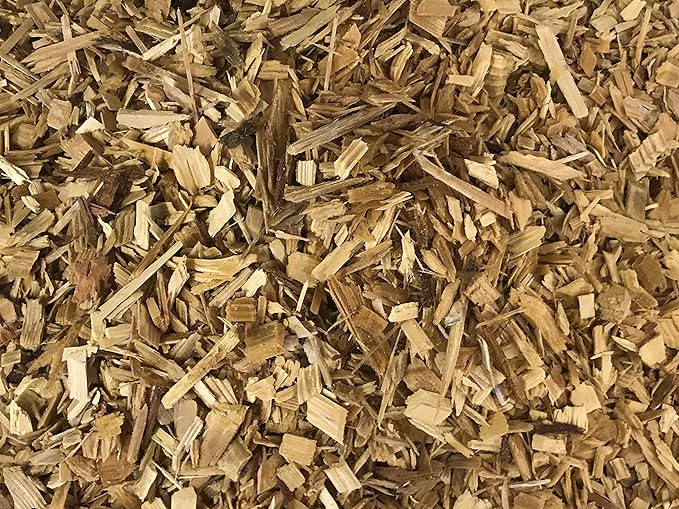
Cedar mulch sits at the intersection of beauty, performance, and practicality. When we install this around client properties, the feedback is consistently positive—not just for how it looks on day one, but for how it holds up through harsh summers and wet winters.
Key Details:
- Material: Shredded cedar bark and wood
- Average Longevity: 12–18 months before significant decomposition
- Best For: General landscaping, flower beds, shrub borders, foundation plantings
- Typical Cost: Moderate to slightly premium
Pros:
- Natural oils (thujone) repel termites, ants, and other insects without chemicals
- Pleasant, fresh aroma that lingers for weeks after installation
- Resists decay and decomposition longer than most softwood mulches
- Rich reddish-brown color that fades gracefully to silver-gray rather than turning muddy
- Excellent weed suppression due to fine, interlocking texture
Cons:
- Premium price point compared to pine or hardwood options
- Strong aroma can be overwhelming immediately after installation (dissipates within days)
- May slightly acidify soil over time—monitor pH for sensitive plants
- Not ideal for vegetable gardens due to allelopathic compounds that can inhibit seed germination
Buying Guide: Cedar mulch is our default recommendation when clients ask, “What should I use?” It performs well in nearly every landscape scenario except vegetable production. If you have termite concerns or live in a humid climate, cedar is worth the extra cost for its natural pest resistance. Buy shredded (not chipped) cedar for better weed suppression and a more polished appearance. Avoid cedar mulch that’s been sitting in a bag for over a year—the oils degrade and so does the pest resistance.
Should You Buy? Yes—if you want low-maintenance, attractive wood chips for landscaping that perform reliably across seasons. Skip it only if you’re mulching a vegetable garden or working with an extremely tight budget.
2. Arborist Wood Chips — Best Budget Wood Chips for Landscaping
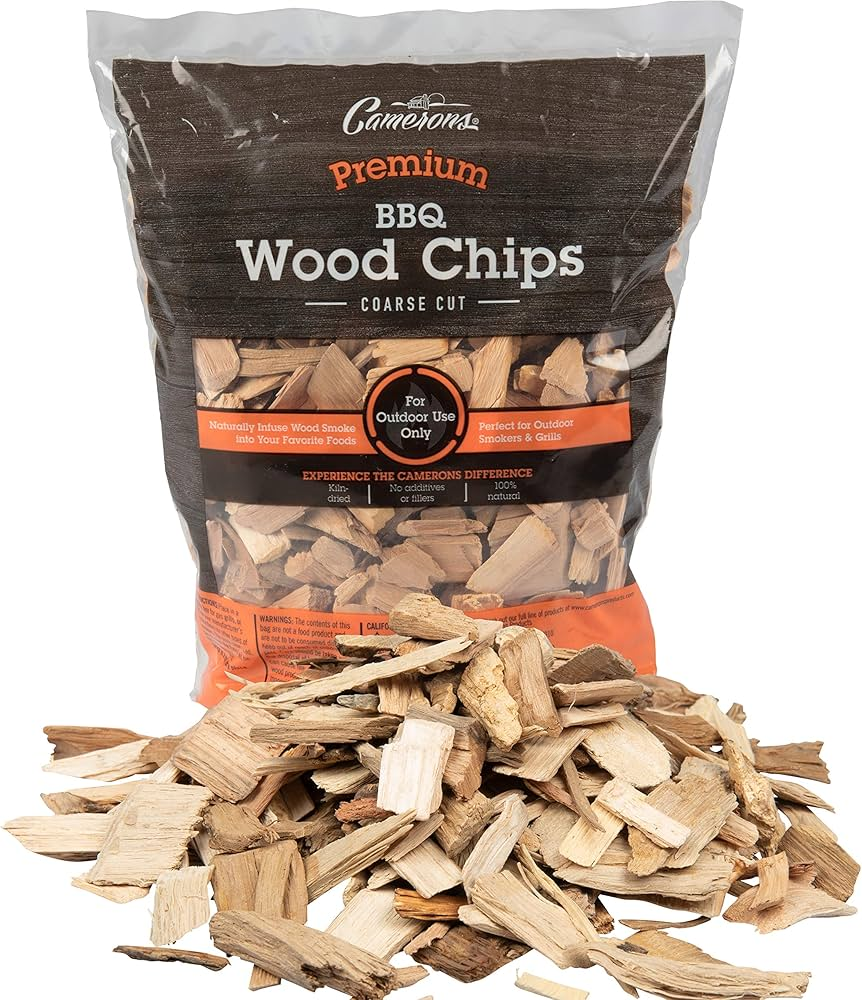
Here’s a secret most landscaping companies won’t tell you: some of the best wood chips for landscaping are free. When tree services remove branches and limbs, they chip the material and often need to dispose of it. Many will deliver a truckload to your driveway at no cost.
Key Details:
- Material: Mixed fresh wood chips from tree trimmings (varies by source)
- Average Longevity: 6–12 months (faster decomposition)
- Best For: Pathways, woodland gardens, around trees, temporary mulching, composting bases
- Typical Cost: Free to very low cost
Pros:
- Unbeatable price—often completely free
- Supports local tree services and reduces landfill waste
- Excellent for building soil organic matter as it decomposes
- Mixed wood sources provide diverse nutrients
- Great for informal, naturalistic landscapes
Cons:
- Fresh chips can temporarily tie up nitrogen in the soil as they decompose
- Unknown wood composition—may include walnut (toxic to some plants) or diseased material
- Can attract artillery fungus, which shoots sticky spores onto siding and vehicles
- Shorter lifespan than processed mulches—requires more frequent reapplication
- Variable quality and consistency from load to load
Buying Guide: When sourcing arborist wood chips, always ask what trees were chipped. Avoid loads containing black walnut, which contains juglone toxic to tomatoes, peppers, and many ornamentals. Request chips that have aged at least a few weeks if possible—fresh chips generate heat as they decompose and can damage young plants. Never use fresh arborist chips directly against plant stems; keep a 2–3 inch gap. This is the best choice for pathways, back-of-property beds, and areas where you’re building soil over time rather than seeking instant curb appeal.
Should You Buy? Absolutely—if you have access to a reliable source and aren’t aiming for a manicured look. Avoid if you need guaranteed pest resistance, consistent appearance, or are mulching high-value ornamental beds where appearance is paramount.
3. Pine Bark Nuggets — Best Wood Chips for Landscaping Flower Beds
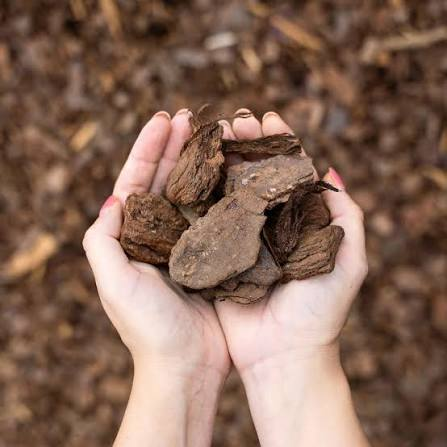
There’s something satisfying about the chunky, uniform look of pine bark nuggets. They sit neatly on the soil surface, allow water to penetrate easily, and create a clean, professional appearance that elevates any flower bed.
Key Details:
- Material: Shredded or nugget-form pine bark
- Average Longevity: 12–24 months
- Best For: Flower beds, container gardens, shrub borders, areas with drip irrigation
- Typical Cost: Moderate
Pros:
- Excellent drainage—water flows through easily to reach plant roots
- Chunky nugget form resists floating and washing away during heavy rain
- Slow decomposition means less frequent reapplication
- Natural reddish-brown color complements most plant palettes
- Lightweight and easy to spread by hand or with a rake
Cons:
- Nuggets can be displaced by foot traffic or strong water flow
- Less effective weed suppression than finer mulches (weeds can grow between nuggets)
- Can attract slugs and snails who hide beneath the chunks
- May lower soil pH over time—beneficial for acid-lovers, problematic for alkaline-preferring plants
- Larger nuggets can be a tripping hazard in high-traffic areas
Buying Guide: Choose mini-nuggets (1–2 inches) for finer texture and better weed suppression in flower beds. Standard nuggets (2–3 inches) work better around trees and shrubs where you want longer-lasting coverage. Pine bark nuggets are ideal for beds with drip irrigation or soaker hoses because water penetrates effortlessly. If you live in a windy area, avoid the largest nugget sizes—they blow around more easily. For maximum weed suppression, lay down landscape fabric first, then apply nuggets 3 inches deep.
Should You Buy? Yes—if you want attractive, long-lasting wood chips for landscaping in ornamental beds and don’t mind occasional weed spot-treatment. Skip if you need maximum weed suppression or have serious slug problems in your area.
4. Hardwood Bark Mulch — Best Wood Chips for Landscaping Vegetable Gardens
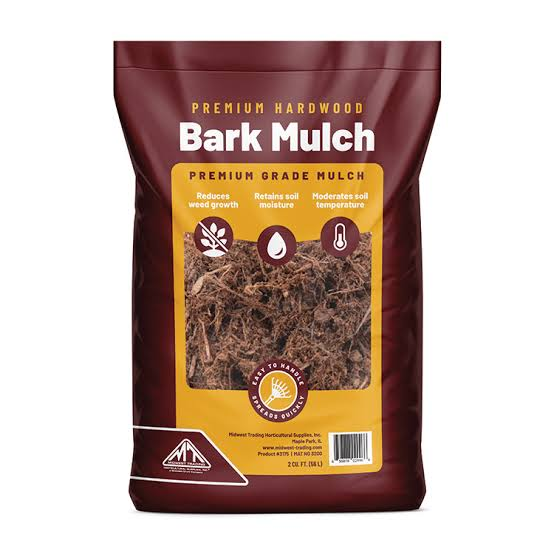
When you’re growing food, everything that touches your soil matters. Hardwood bark mulch is our go-to for vegetable gardens because it breaks down into rich organic matter without introducing chemicals or allelopathic compounds that harm edibles.
Key Details:
- Material: Shredded bark from oak, maple, hickory, and other hardwoods
- Average Longevity: 8–12 months
- Best For: Vegetable gardens, fruit trees, berry bushes, edible landscapes
- Typical Cost: Low to moderate
Pros:
- Completely safe for edible plants—no harmful chemicals or natural toxins
- Decomposes into nutrient-rich humus that improves soil structure
- Excellent moisture retention without waterlogging
- Dark color warms soil faster in spring, extending growing season
- Widely available and affordable
Cons:
- Decomposes faster than softwood mulches—requires annual reapplication
- Can become compacted and form a crust if not fluffed occasionally
- May harbor fungal growth in very wet conditions
- Less pest-resistant than cedar or cypress
- Color fades to gray within a few months
Buying Guide: Look for “hardwood bark mulch” specifically—not “hardwood chips,” which may contain actual wood rather than just bark. Bark decomposes faster and adds more nutrients; wood chips last longer but tie up nitrogen during decomposition. For vegetable gardens, apply 2–3 inches after soil has warmed in spring. Avoid applying too early—cool, wet mulch can delay seed germination and transplant growth. Hardwood bark is also excellent for fruit trees; create a 4–6 foot diameter ring around the trunk, keeping mulch 6 inches away from the bark to prevent rot.
Should You Buy? Yes—if you have a vegetable garden, fruit trees, or any edible landscaping. This is the safest, most nutritionally beneficial choice for food production. Skip only if you want a mulch that lasts multiple seasons without reapplication.
5. Certified Playground Wood Chips — Best Wood Chips for Landscaping Play Areas
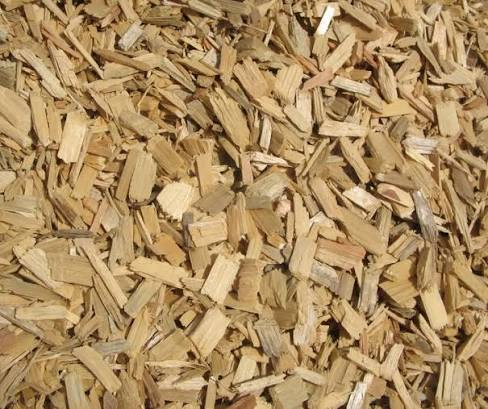
If you have children, safety isn’t negotiable. Standard landscaping mulch doesn’t meet impact absorption standards for playground equipment. Certified playground wood chips are engineered and tested specifically for fall protection.
Key Details:
- Material: Engineered wood fiber processed to specific size and consistency
- Average Longevity: 2–3 years with maintenance
- Best For: Playground surfaces under swings, slides, climbing structures
- Typical Cost: Moderate to high
Pros:
- Meets ASTM F1292 and CPSC safety standards for impact absorption
- Specifically sized fibers interlock to create a stable, accessible surface
- Free of toxic chemicals, nails, and hazardous debris
- ADA-compliant when properly installed and maintained
- Natural appearance blends with landscape surroundings
Cons:
- Requires 9–12 inch depth for proper fall protection (significant volume needed)
- Needs regular raking and topping off to maintain safety depth
- Higher cost than standard mulch
- Can track into house on shoes more than larger nuggets
- Must be sourced from certified suppliers—generic wood chips won’t meet safety standards
Buying Guide: Only purchase from suppliers who provide certification documentation. The product should be labeled “engineered wood fiber” or “certified playground mulch” and meet ASTM F2075 standards. Calculate your area carefully—at 12 inches deep, you’ll need significant volume. Budget for annual topping off (typically 25–30% of original volume) to maintain safety depth. Install over a geotextile fabric barrier to prevent mixing with soil. Never substitute standard arborist chips or landscaping mulch—only certified products provide verified fall protection.
Should You Buy? Yes—if you have playground equipment and children using it. This is non-negotiable for safety. If you don’t have play structures requiring fall protection, standard mulch is more economical.
6. Cypress Mulch — Best Wood Chips for Landscaping in Hot, Dry Climates
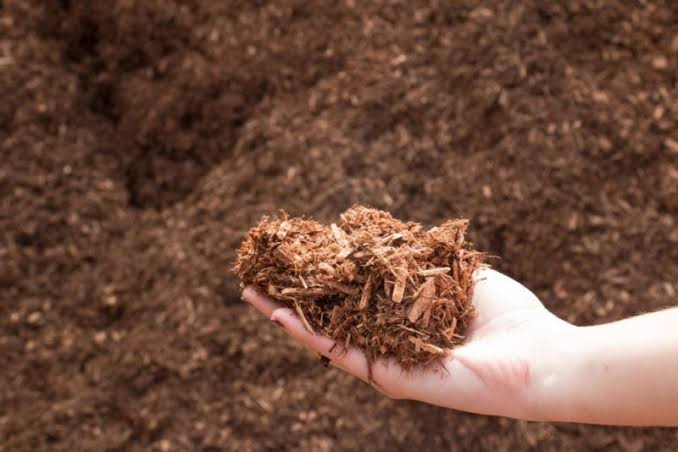
Cypress mulch is the desert gardener’s secret weapon. Its natural water-repellency and slow decomposition make it ideal for regions where water conservation and heat tolerance are priorities.
Key Details:
- Material: Shredded cypress bark and wood
- Average Longevity: 18–24 months
- Best For: Hot climates, drought-tolerant gardens, xeriscapes, areas with high evaporation
- Typical Cost: Moderate to high
Pros:
- Naturally water-resistant—doesn’t absorb and lose moisture like other mulches
- Extremely slow to decompose, reducing long-term costs
- Light color reflects heat, keeping soil cooler than dark mulches
- Resists wind displacement better than lightweight alternatives
- Natural pest resistance similar to cedar
Cons:
- Environmental concerns—harvesting may impact wetland cypress forests
- Light color shows dirt and debris more readily than dark mulches
- Less nutrient contribution to soil than faster-decomposing options
- Can become hydrophobic if allowed to dry completely—water may run off rather than penetrate
- Premium pricing
Buying Guide: Cypress mulch is worth the investment if you live in USDA zones 8–11 or any region with extended dry periods. Its water-repellency works both ways—it keeps moisture in but can also repel light rainfall. Install over drip irrigation or water deeply to ensure moisture reaches soil. Look for “sustainably harvested” or FSC-certified cypress to address environmental concerns. The light golden-tan color works beautifully with desert plants, ornamental grasses, and Mediterranean-style landscapes. Apply 3 inches for adequate coverage.
Should You Buy? Yes—if water conservation and heat management are your primary concerns. Consider alternatives if environmental sustainability is your top priority or if you receive frequent light rains that need to penetrate mulch easily.
7. Redwood Mulch — Best Premium Wood Chips for Landscaping
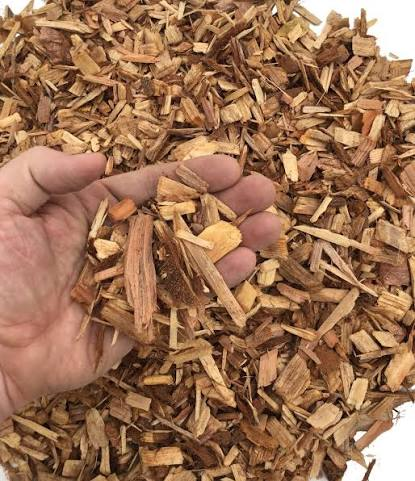
Redwood mulch is what you choose when you want your landscape to make a statement. The rich, deep color and exceptional durability justify the higher price for high-visibility areas.
Key Details:
- Material: Shredded redwood bark and wood
- Average Longevity: 18–24 months
- Best For: Entryway gardens, formal landscapes, high-visibility beds, Japanese gardens
- Typical Cost: Premium
Pros:
- Stunning deep red-brown color that retains richness longer than other mulches
- Exceptional natural decay resistance—lasts years without replacement
- Fine, soft texture that looks manicured and intentional
- Natural pest and rot resistance without chemical treatments
- Complements both modern and traditional landscape designs
Cons:
- Significantly more expensive than cedar or pine alternatives
- Can be difficult to source in some regions
- Strong initial aroma (pleasant to most, overwhelming to some)
- Like cedar, contains natural compounds that may affect sensitive seedlings
- Dark color absorbs heat—can warm soil excessively in full-sun, hot climates
Buying Guide: Reserve redwood mulch for areas where appearance justifies the cost—entryways, courtyards, visible foundation plantings, and anywhere guests will notice. It’s overkill for back-of-property beds or utility areas. The fine texture works beautifully in Asian-inspired gardens and contemporary landscapes. Because it lasts so long, calculate cost over a 2-year period rather than comparing to annual mulch replacement. In hot climates, pair redwood with shade-tolerant plants or use it in partially shaded beds to avoid excessive soil heating.
Should You Buy? Yes—if you have high-visibility beds and value long-term durability and aesthetics. Skip if you’re budget-conscious or mulching large, low-visibility areas.
8. Hemlock Bark Mulch — Best Wood Chips for Landscaping Acid-Loving Plants
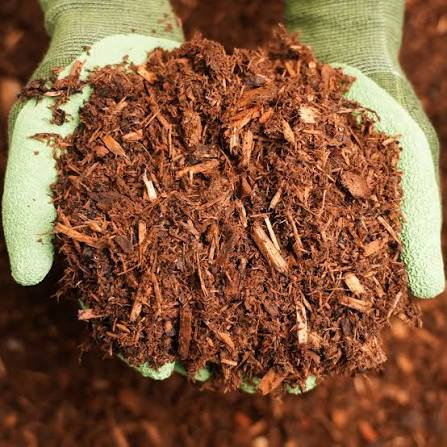
Hemlock mulch is the specialist’s choice. While less commonly available than pine or cedar, it offers unique benefits for specific plant palettes that make it worth seeking out.
Key Details:
- Material: Shredded hemlock bark
- Average Longevity: 12–18 months
- Best For: Azaleas, rhododendrons, blueberries, hydrangeas, camellias, holly
- Typical Cost: Moderate to premium
Pros:
- Naturally acidic pH (4.5–5.5) benefits acid-loving ornamentals
- Fine, fibrous texture provides excellent weed suppression
- Rich reddish-orange color that weathers to attractive bronze
- Good moisture retention without waterlogging
- Moderate decomposition rate balances longevity with soil enrichment
Cons:
- Limited availability in some regions
- Higher cost than pine bark
- Acidity can harm alkaline-preferring plants (lavender, clematis, lilac)
- Color fades faster than cedar or redwood
- May contain small amounts of bark from other species unless pure hemlock is specified
Buying Guide: Hemlock is worth the search if you have a dedicated bed of acid-loving plants. It’s particularly valuable for blueberry bushes, which require acidic soil for nutrient uptake. Test your soil pH before applying—if your soil is already acidic (below 6.0), hemlock may push it too low for general plantings. Apply 3–4 inches around established acid-lovers, keeping mulch 3 inches from plant stems. Pure hemlock bark is preferable to blends. In regions where hemlock isn’t native, specialty garden centers or online suppliers may be your only source.
Should You Buy? Yes—if you have azaleas, blueberries, or other acid-loving plants and your soil pH runs neutral to slightly alkaline. Skip if your soil is already acidic or you’re mulching a mixed bed with alkaline-preferring plants.
9. Eucalyptus Mulch — Best Wood Chips for Landscaping Pest Control
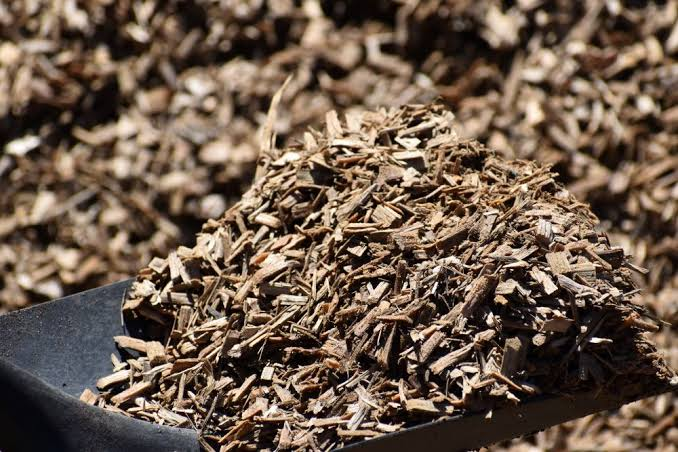
If mosquitoes, fleas, or garden pests ruin your outdoor enjoyment, eucalyptus mulch offers a natural solution that doesn’t involve spraying chemicals around your family and pets.
Key Details:
- Material: Shredded eucalyptus bark and leaves
- Average Longevity: 8–12 months
- Best For: Perimeter beds, patios, outdoor living areas, pet areas, mosquito-prone yards
- Typical Cost: Moderate
Pros:
- Strong natural oils effectively repel mosquitoes, fleas, ticks, and gnats
- Pleasant, menthol-like aroma that freshens outdoor spaces
- Fast decomposition adds nutrients quickly to soil
- Fine texture provides good weed suppression
- Natural insect repellency without DEET or synthetic chemicals
Cons:
- Strong scent can be overpowering in enclosed spaces
- Faster decomposition requires more frequent reapplication
- May inhibit growth of some sensitive plants due to natural oils
- Less effective in very wet climates where oils wash away quickly
- Not widely available in all regions
Buying Guide: Eucalyptus mulch shines in specific applications rather than as a whole-yard solution. Use it around patios, decks, and outdoor seating areas where mosquito control matters most. It’s excellent for dog runs and pet areas where flea prevention is a concern. Don’t use it in vegetable gardens—the strong oils may affect flavor or growth of sensitive edibles. Apply 2–3 inches and refresh mid-season if the scent fades. In humid climates where mosquitoes are worst, eucalyptus mulch provides noticeable relief without bug zappers or sprays.
Should You Buy? Yes—if insect control is a priority and you want a natural, non-chemical solution for outdoor living areas. Skip if you have scent sensitivities or need long-lasting mulch that doesn’t require frequent refresh.
10. Black Dyed Hardwood Mulch — Best Decorative Wood Chips for Landscaping
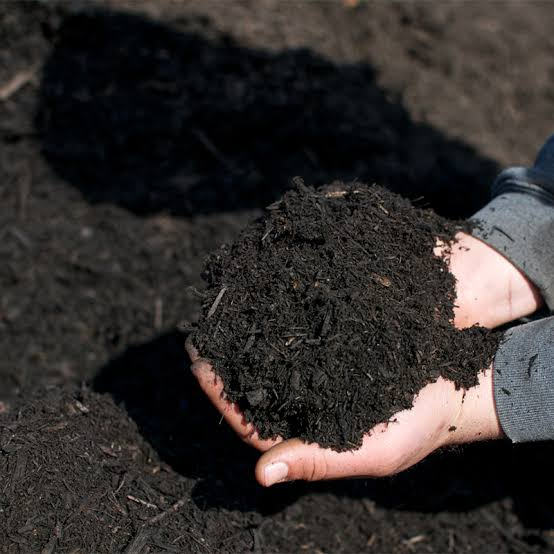
Sometimes, aesthetics drive the decision. Black dyed mulch creates dramatic contrast against green foliage, colorful flowers, and light-colored hardscaping. When used thoughtfully, it’s a legitimate design tool.
Key Details:
- Material: Recycled hardwood dyed with carbon-based or iron oxide colorants
- Average Longevity: 12–18 months (color), 18–24 months (material)
- Best For: Modern landscapes, commercial properties, high-contrast garden designs
- Typical Cost: Low to moderate
Pros:
- Striking visual contrast makes plants “pop” against dark background
- Consistent, uniform color that doesn’t vary between bags
- Often made from recycled wood, supporting sustainability
- Affordable price point
- Color retention improved significantly with modern carbon-based dyes
Cons:
- Color fades to gray-brown within 6–12 months in full sun
- Some products use inferior wood sources or contaminated recycled material
- Dye can transfer to hands, clothing, and concrete during installation
- Heat absorption from black color can stress plants in hot climates
- Quality varies dramatically between manufacturers—some contain construction debris
Buying Guide: This is the category where quality matters most. Only buy from reputable suppliers who specify dye composition (carbon black or iron oxide are safest) and wood source. Avoid “mulch” that doesn’t specify hardwood—some cheap dyed products contain ground-up pallets, construction waste, or treated lumber. The dye should be certified by the Mulch and Soil Council. For best results, apply over fresh landscape fabric to prevent soil mixing that dulls the color. In hot climates, use black mulch only in shaded or partially shaded beds. Expect to refresh color annually for maximum impact.
Should You Buy? Yes—if visual impact is your top priority and you purchase from a verified, reputable source. Skip if you’re mulching vegetable gardens (even “safe” dyes aren’t tested for food contact) or if you live in an extremely hot, sunny climate where black mulch will cook your plant roots.
Wood Chips for Landscaping Buying Guide: Everything You Need to Know Before You Buy
Understanding Wood Chip Types
Bark vs. Wood vs. Chips. Bark mulch comes from the outer covering of trees and decomposes into rich organic matter. Wood chips contain the inner wood and last longer but can tie up nitrogen during decomposition. Engineered wood fiber is processed to specific standards for safety applications. Know what you’re buying—packaging isn’t always clear.
Hardwood vs. Softwood. Hardwoods (oak, maple, hickory) decompose faster and add more nutrients. Softwoods (pine, cedar, cypress) last longer and offer natural pest resistance. Match the type to your priorities: soil building (hardwood) or longevity (softwood).
How Much to Buy
Mulch is sold by the cubic foot (bags) or cubic yard (bulk). One cubic yard covers approximately 100 square feet at 3 inches deep. Calculate your bed area (length × width), decide on depth (2–3 inches for maintenance, 3–4 inches for new beds), and convert to cubic yards. Always round up—running short mid-project is frustrating.
Bagged vs. Bulk. Bagged mulch costs more per cubic foot but offers convenience, consistent quality, and easy transport. Bulk delivery is economical for large projects but requires a dumping area and wheelbarrow work. For projects under 10 cubic yards, bagged often makes sense. Above that, bulk savings add up.
Safety Considerations
Termite Risk. Contrary to popular belief, mulch doesn’t attract termites—it’s the moisture mulch retains that termites seek. Keep all wood chips for landscaping at least 6 inches from foundation walls and 3 inches from plant stems. Cedar and cypress offer natural termite resistance if you’re concerned.
Disease Transmission. Arborist chips can harbor fungal diseases. If you’re mulching around susceptible plants (roses, tomatoes), use processed mulch from known sources rather than fresh, unknown material.
Chemical Contamination. Never use mulch made from treated lumber, old pallets, or construction debris. These can contain arsenic, chromium, and other toxins. If a mulch price seems too good to be true, it probably contains contaminated material.
Application Best Practices
Timing. Apply wood chips for landscaping in mid-spring after soil has warmed. Early application insulates cold soil and delays plant growth. Late fall application can provide winter protection but is unnecessary in mild climates.
Depth. 2–3 inches is ideal for most applications. Deeper than 4 inches can suffocate plant roots and create anaerobic conditions. Less than 2 inches won’t effectively suppress weeds or retain moisture.
The Doughnut, Not the Volcano. Never pile mulch against tree trunks or plant stems. This creates “mulch volcanoes” that cause rot, attract pests, and suffocate bark. Create a doughnut shape—mulch around the plant, but keep a 3-inch clear space at the base.
Weed Control. For maximum weed suppression, remove existing weeds, apply a pre-emergent herbicide if desired, lay landscape fabric (optional), then apply mulch. No mulch eliminates 100% of weeds, but proper depth and application reduce weeding by 80–90%.
When to Refresh
Most wood chips for landscaping need refreshing when:
- Color has faded significantly (aesthetic concern)
- Depth has decreased below 2 inches
- Weeds are breaking through easily
- Material has decomposed into soil-like texture
Typically, this means annual refresh for fast-decomposing hardwoods and every 18–24 months for cedar, cypress, and redwood.
Frequently Asked Questions About Wood Chips for Landscaping
Q: Do wood chips attract termites?
A: Wood chips themselves don’t attract termites any more than the trees already in your yard. Termites are drawn to moisture, not wood specifically. To minimize risk, keep mulch at least 6 inches from your foundation, avoid over-watering mulched areas, and choose cedar or cypress if you live in a termite-prone region. The moisture that mulch retains is more attractive to termites than the wood itself.
Q: Can I use wood chips for landscaping in my vegetable garden?
A: Yes, but choose carefully. Hardwood bark mulch is ideal for vegetable gardens—it’s chemical-free and decomposes into nutrients. Avoid cedar, cypress, and eucalyptus near edibles due to natural oils that can inhibit growth. Never use dyed mulch in vegetable beds. Apply 2–3 inches after soil warms in spring, keeping mulch 2 inches from plant stems.
Q: How thick should I apply wood chips?
A: 2–3 inches is the sweet spot for most applications. This depth suppresses weeds effectively, retains moisture, and regulates temperature without suffocating roots. Deeper than 4 inches can cause root rot and anaerobic soil conditions. In playground applications, safety standards require 9–12 inches for fall protection.
Q: Should I put down landscape fabric under wood chips?
A: It depends. Fabric helps with weed suppression in the first year and prevents mulch from mixing with soil. However, over time, soil and weed seeds accumulate on top of fabric, and weeds grow in the mulch layer anyway. For perennial beds, fabric is worthwhile. For annual vegetable gardens, skip it—tilling becomes difficult. For tree rings, fabric is unnecessary and can actually girdle roots as trees mature.
Q: What’s the difference between wood chips and bark mulch?
A: Bark mulch is just the outer bark of trees—it’s richer in nutrients, decomposes faster, and looks finer. Wood chips contain the inner wood too—they last longer but provide fewer nutrients and can temporarily tie up nitrogen as they decompose. For soil building, choose bark. For longevity, choose chips.
Q: Are dyed wood chips safe?
A: Modern carbon-based and iron-oxide dyes are generally considered safe for ornamental landscaping. However, quality varies enormously between manufacturers. Only buy dyed mulch certified by the Mulch and Soil Council. Avoid any dyed mulch that doesn’t specify dye composition or wood source. Never use dyed mulch in vegetable gardens or around plants you intend to eat.
Q: How do I stop mulch from washing away in heavy rain?
A: Choose heavier materials like pine bark nuggets or hardwood chips rather than fine shredded mulches. Apply on a slight grade rather than steep slopes. Use edging to contain mulch. On slopes, consider pine straw or erosion-control netting under mulch. Avoid applying fresh mulch before forecasted heavy rain.
Q: Can I make my own wood chips for landscaping?
A: Absolutely. If you have a chipper-shredder, you can process fallen branches and tree trimmings. Let fresh chips age for 4–6 weeks before applying around plants to avoid nitrogen draw-down and heat damage. Never chip treated lumber, black walnut, or diseased wood. Homemade chips are excellent for pathways and woodland gardens.
Q: Why does my mulch grow mold?
A: White, stringy mold on mulch is typically a harmless saprophytic fungus breaking down organic matter. It’s actually a sign of healthy decomposition. It poses no threat to plants or people and usually disappears within a few weeks. If mold bothers you, fluff the mulch to increase air circulation or spray lightly with water to knock spores down. Avoid chemical fungicides— they’re unnecessary and harmful to soil life.
Q: How long does mulch last before needing replacement?
A: It varies by material. Fast-decomposing hardwood bark may need annual refresh. Cedar and cypress last 18–24 months. Redwood can persist 2+ years. Dyed mulch often needs color refresh before the material itself decomposes. Rather than removing old mulch, simply top-dress with fresh material to maintain depth and appearance.
Q: Is cypress mulch environmentally responsible?
A: This is a legitimate concern. Some cypress harvesting impacts sensitive wetland ecosystems. If sustainability is your priority, look for FSC-certified cypress or choose alternatives like cedar or pine. However, cypress is a renewable resource when harvested responsibly, and its longevity means less frequent replacement—reducing overall material consumption.
Q: Can wood chips for landscaping prevent weeds completely?
A: No mulch eliminates 100% of weeds, but proper application reduces weeding by 80–90%. A 3-inch layer of quality mulch blocks light that weed seeds need to germinate. Occasional wind-blown seeds will still land and sprout in the mulch layer itself, but these are easy to pull because roots don’t penetrate into soil. For best results, remove existing weeds before mulching and consider a pre-emergent herbicide application.
Final Thoughts: Choosing the Right Wood Chips for Your Landscape
The best wood chips for landscaping aren’t necessarily the most expensive or the most popular—they’re the ones that match your specific climate, plants, budget, and aesthetic goals. Cedar remains our top all-around recommendation for its balance of beauty, performance, and pest resistance. But for vegetable gardens, hardwood bark wins. For playgrounds, only certified engineered wood fiber meets safety standards.
At Yates Landscaping Company, we’ve learned that great landscapes start with great decisions at the ground level. The right mulch isn’t an afterthought—it’s a foundational choice that affects plant health, maintenance time, and visual appeal for years.
Take time to assess your needs. Calculate your coverage. Buy from reputable sources. And apply with care. Your plants, your weekends, and your curb appeal will thank you.
Have questions about which wood chips for landscaping are right for your specific project? Drop us a line at Yates Landscaping Company—we’re always happy to help fellow gardeners make informed decisions.