
At first glance, landscaping in Kernersville might seem straightforward. We get plenty of rain, have long growing seasons, and enjoy mild winters compared to many parts of the country.
However, many homeowners quickly discover that keeping plants healthy and landscapes looking good year after year isn’t as simple as it appears.
In this guide, we’ll walk through the 10 most common landscaping mistakes Kernersville homeowners make and explain how to avoid them.
With a little planning and local knowledge, you can create an outdoor space that’s easier to maintain, healthier for your plants, and more enjoyable for your family.
Mistake #1: Planting Without Considering Kernersville’s Climate and Growing Zone
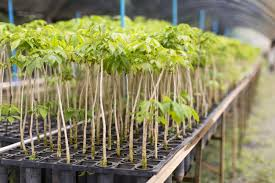
One of the most common—and costly—landscaping mistakes in Kernersville is choosing plants without considering the local climate and growing zone.
Kernersville is located in USDA Hardiness Zone 7b, which means plants need to handle hot, humid summers and winter temperatures that can occasionally dip into the teens.
While that may sound manageable, these seasonal extremes can be tough on plants that aren’t well suited for the area.
Many homeowners choose plants based on how they look at the nursery or how well they performed in another region. Unfortunately, plants that aren’t adapted to Kernersville’s climate often struggle once they’re in the ground.
Some can’t handle prolonged summer heat and humidity, leading to leaf scorch, wilting, or fungal diseases. Others may look fine through fall but fail to survive winter cold snaps or late frosts.
This is where native and regionally adapted plants really shine. These plants are naturally suited to local weather patterns, soil conditions, and even common pests.
They tend to establish stronger root systems, require less watering once established, and need fewer fertilizers or chemical treatments.
Over time, they save homeowners both time and money while providing a more reliable and attractive landscape.
Common examples of climate-related plant problems in Kernersville include ornamental shrubs that burn during peak summer heat, flowering plants that fail to bloom because of temperature stress, and tropical or borderline-hardy plants that don’t make it through winter.
By choosing plants specifically suited to Zone 7b and Piedmont conditions, homeowners can avoid repeated replacements and enjoy a landscape that grows stronger each year.
Understanding Kernersville’s climate isn’t about limiting your options—it’s about making smarter choices that allow your landscape to thrive rather than struggle.
Mistake #2: Skipping Soil Testing and Proper Soil Preparation
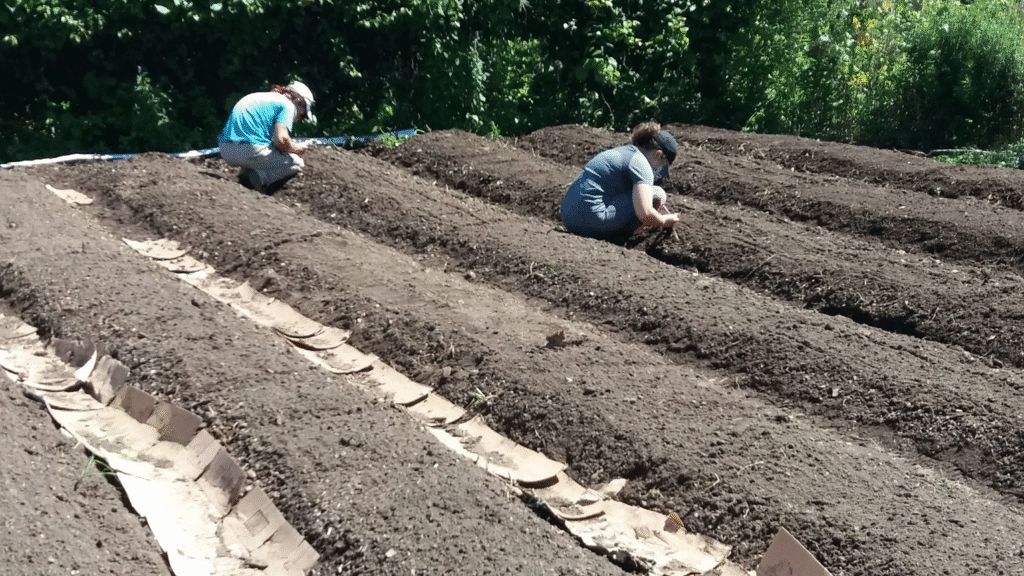
One of the biggest reasons landscaping projects fail in Kernersville has nothing to do with the plants themselves—it has everything to do with the soil they’re planted in.
Many homeowners focus on what’s visible above ground and overlook the foundation that supports everything below it.
In the Kernersville area, soil is typically heavy in clay and easily compacted, especially in newer neighborhoods where construction equipment has compressed the ground.
Clay soil isn’t all bad—it holds nutrients well—but it drains slowly and can become extremely dense.
After rainfall, water often pools on the surface, while during dry periods the soil can harden and crack. This creates a difficult environment for roots to grow and spread.
When soil isn’t properly prepared, plant roots struggle to establish themselves. Weak root systems mean plants can’t absorb water, oxygen, or nutrients efficiently.
As a result, homeowners may notice slow growth, pale or yellowing leaves, poor flowering, and plants that constantly look stressed no matter how much care they receive. Over time, these weakened plants become more susceptible to pests, disease, and weather extremes.
Soil testing is a simple step that provides valuable insight into what your yard actually needs.
A soil test measures pH levels, nutrient content, and overall soil health, helping homeowners avoid unnecessary or incorrect fertilizer applications.
For example, if the pH is too acidic or too alkaline, plants may be unable to absorb nutrients even if those nutrients are present in the soil.
Amending soil with organic matter is one of the most effective ways to improve poor soil conditions. Adding compost, aged manure, or shredded leaves helps loosen compacted clay, improves drainage, increases air flow to roots, and promotes beneficial microorganisms.
Over time, these improvements lead to healthier root systems, stronger plants, better moisture retention, and reduced need for chemical fertilizers.
Mistake #3: Overwatering or Underwatering Plants
Watering is one of the most misunderstood aspects of landscaping, especially in Kernersville.
The region receives a decent amount of rainfall, but it often arrives in bursts—heavy rain one week, followed by dry, hot conditions the next.
This inconsistency makes it difficult for homeowners to know when additional watering is truly necessary.
Clay-heavy soil complicates watering even further.
Because clay holds water for long periods, soil may look dry on the surface while remaining saturated underneath.
This often leads homeowners to water too frequently, unknowingly creating waterlogged conditions that deprive roots of oxygen.
On the flip side, newly planted trees and shrubs often don’t receive deep enough watering during dry spells, preventing roots from growing downward and outward.
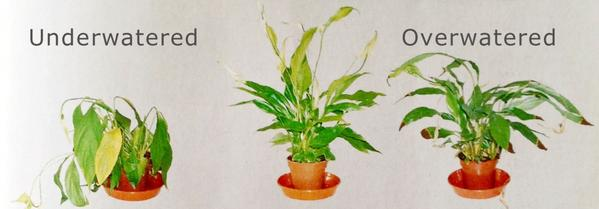
Overwatered plants often show subtle warning signs at first, such as yellowing leaves, slowed growth, or wilting even though the soil is wet. If the problem continues, roots can begin to rot, leading to fungal diseases and eventual plant failure.
Underwatered plants, however, may develop dry, crispy leaves, drooping foliage, and reduced flowering. Prolonged drought stress weakens plants, making them more vulnerable to insects and heat damage.
Improper watering also creates ideal conditions for fungal problems, especially during Kernersville’s hot and humid summers. Standing moisture around plant bases encourages disease while also washing nutrients away from the root zone.
The most effective watering strategy focuses on deep, consistent watering rather than frequent shallow applications.
Deep watering encourages roots to grow deeper into the soil, making plants more drought-resistant. Watering early in the morning reduces evaporation and gives foliage time to dry, which helps prevent disease.
Using drip irrigation, soaker hoses, or smart irrigation controllers can further improve efficiency while reducing water waste.
By understanding how soil type, rainfall patterns, and plant needs work together, homeowners can avoid one of the most common landscaping mistakes and keep their landscapes healthier throughout the year.
Mistake #4: Improper Plant Spacing and Overcrowding
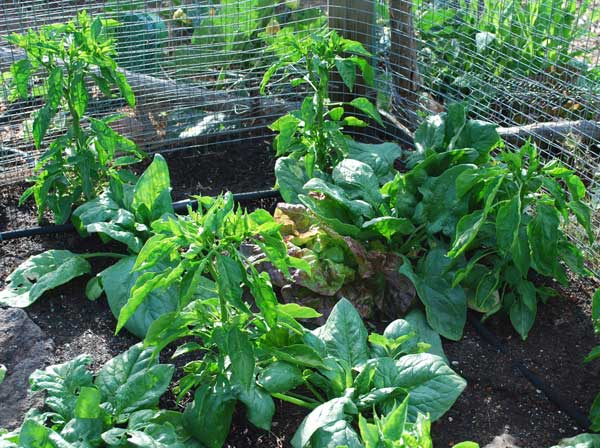
When installing a new landscape, it’s tempting to place plants close together to achieve an immediate, full look.
While this may look attractive at first, improper spacing is one of the most common mistakes homeowners make—and one that often leads to problems years down the road.
Plants usually look small and manageable at installation, but many grow significantly larger as they mature. Shrubs can double or triple in size, trees spread wider than expected, and perennials often fill in more aggressively over time.
When plants are spaced too closely, they quickly begin competing for sunlight, water, nutrients, and air circulation.
Overcrowding creates several long-term issues. Poor air circulation between plants traps moisture, creating ideal conditions for fungal diseases and pest infestations.
Limited airflow also slows drying after rain or watering, increasing the risk of leaf spot, mildew, and rot. As plants compete for resources, weaker plants often decline or die off entirely.
Overcrowded landscapes also require significantly more maintenance. Homeowners may find themselves constantly pruning just to keep plants under control, often cutting them back unnaturally.
Over time, excessive pruning stresses plants and reduces flowering. In many cases, overcrowded plants eventually need to be removed and replaced, adding unnecessary cost and labor.
Proper spacing starts with planning for a plant’s mature size, not how it looks on planting day.
Plant labels and professional recommendations typically include mature height and width, which should guide spacing decisions.
Allowing adequate room between plants improves airflow, encourages healthy growth, reduces disease pressure, and creates a landscape that looks better and performs better over the long term.
Giving plants the space they need may require a little patience early on, but the payoff is a healthier, more attractive, and lower-maintenance landscape for years to come.
Mistake #5: Choosing Plants Without Evaluating Sun and Shade Conditions
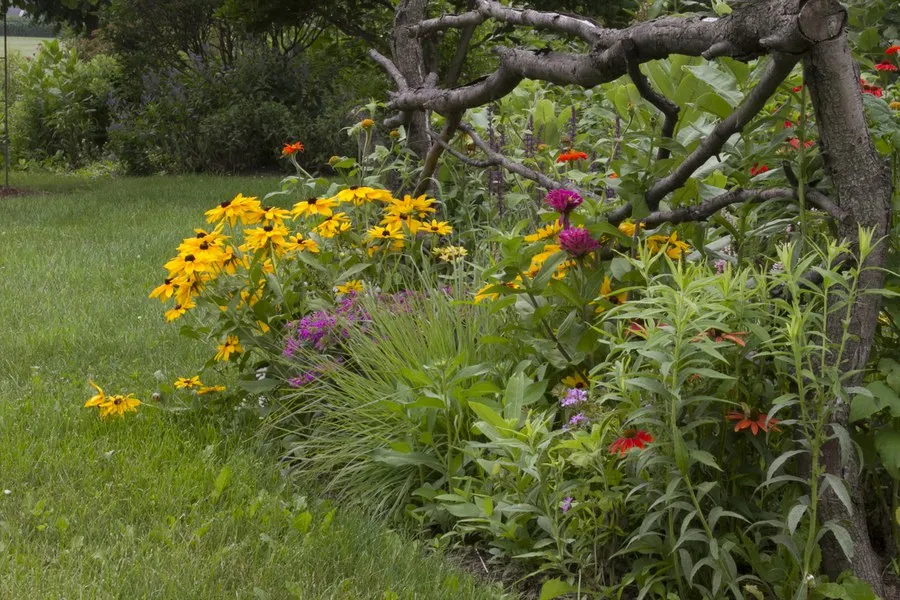
One of the most common reasons plants struggle or fail is simply being planted in the wrong amount of sunlight.
Many homeowners assume their yard is either “sunny” or “shady,” but in reality, sunlight exposure changes throughout the day and across the seasons—especially in established Kernersville neighborhoods.
Sunlight can vary dramatically depending on the time of day. Morning sun is typically gentler and cooler, while afternoon sun is stronger and more intense, particularly during summer.
A spot that looks sunny at noon may actually receive only a few hours of direct sunlight, while another area may get harsh afternoon sun that stresses plants not suited for it.
Seasonal changes also play a role—areas that receive full sun in winter may become shaded in summer once trees fully leaf out.
A common mistake is placing full-sun plants in areas that receive partial or full shade, which often results in leggy growth, weak flowering, and increased disease.
On the flip side, shade-loving plants placed in full sun may experience leaf scorch, wilting, and constant stress, especially during Kernersville’s hot, humid summers. These plants often survive for a short time but never truly thrive.
Tree growth and nearby structures can further complicate light conditions. Young trees may provide minimal shade when landscaping is installed, but as they mature, they can significantly reduce sunlight over time.
Homes, fences, sheds, and even neighboring properties can also cast shadows that shift throughout the day and year, changing a plant’s growing environment.
Before selecting plants, it’s important to observe your yard carefully. Watch how sunlight moves across different areas at various times of the day and during different seasons if possible.
Take note of how many hours of direct sunlight each area receives and whether that sunlight is primarily morning or afternoon.
Choosing plants that match those specific conditions leads to healthier growth, better flowering, and far less frustration over time.
Mistake #6: Ignoring Drainage and Grading Issues
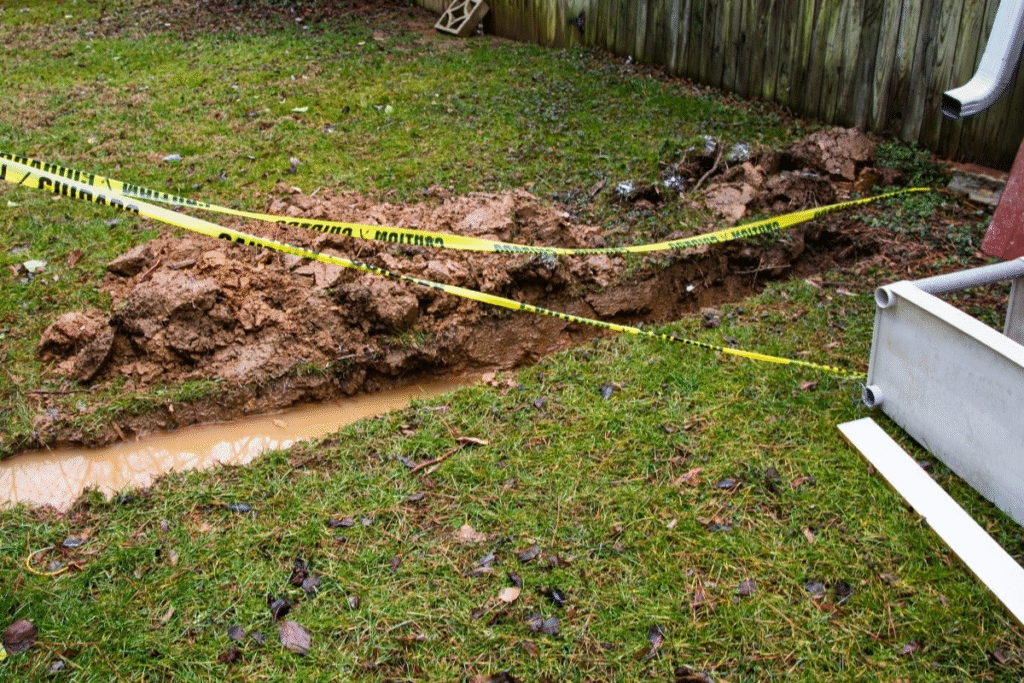
Drainage problems are one of the most frequent—and damaging—landscaping issues in Kernersville. The combination of clay-heavy soil, natural slopes, and heavy rain events makes proper drainage essential for a healthy yard. Unfortunately, many homeowners overlook drainage until problems become impossible to ignore.
Poor drainage often shows up as standing water after rain, soggy soil that never seems to dry out, or areas where grass and plants consistently struggle. Over time, excess moisture can cause root rot, attract pests, and create muddy or unusable sections of the yard. Erosion is another common sign, with soil washing away from beds, slopes, or around hardscapes.
Improper grading can make these problems even worse. When a yard isn’t graded correctly, water may flow toward the home instead of away from it. This can lead to water pooling near foundations, seeping into basements or crawl spaces, and damaging patios, walkways, and retaining walls. Even small grading mistakes can create ongoing drainage headaches.
Addressing drainage issues early can save homeowners significant time and expense. Solutions vary depending on the severity of the problem and the layout of the yard. Options may include regrading to redirect water flow, installing French drains or dry creek beds to move excess water away, or selecting plants that tolerate wetter conditions in problem areas. In some cases, improving soil structure with organic matter can also help water drain more effectively.
Proper drainage isn’t just about protecting plants—it’s about protecting your home and creating an outdoor space that’s functional, safe, and easy to maintain. By identifying drainage and grading issues early and addressing them correctly, homeowners can prevent long-term damage and enjoy a healthier landscape overall.
Mistake #7: Neglecting Seasonal Landscaping Maintenance
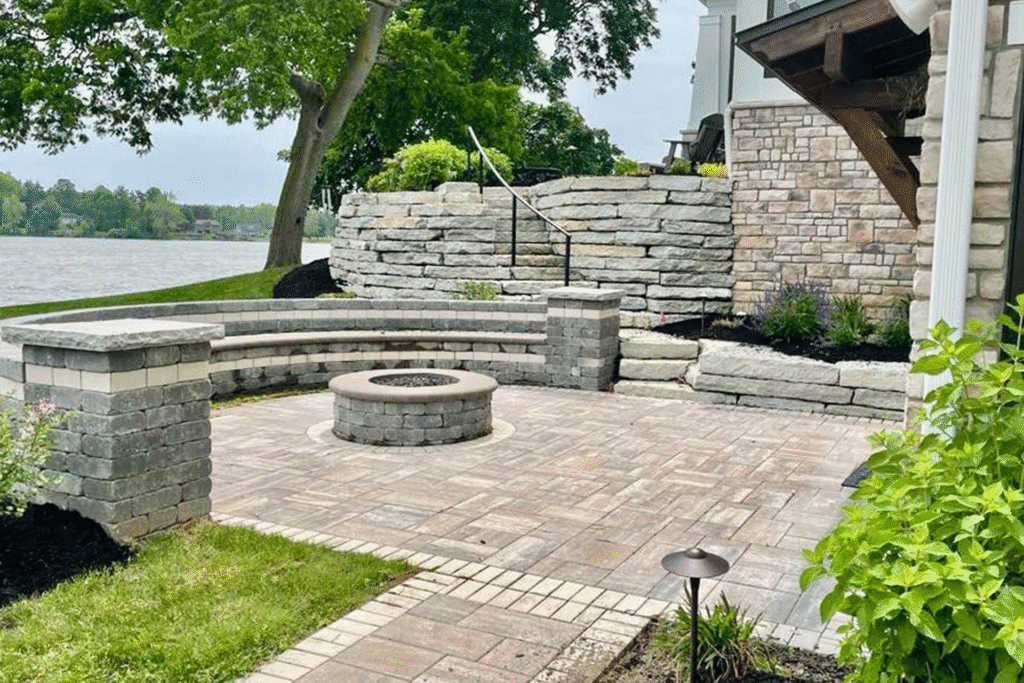
Even the best-planned landscape can suffer if it isn’t maintained throughout the year.
Many Kernersville homeowners underestimate the importance of seasonal care, assuming that once plants are in the ground, they’ll thrive on their own. Unfortunately, neglecting routine tasks often leads to overgrown, unhealthy landscapes.
Different seasons bring different needs. For example:
- Spring: Pruning dormant plants, applying fertilizers, and mulching beds prepare plants for new growth.
- Summer: Monitoring irrigation, managing pests, and deadheading flowers help maintain healthy growth during hot, humid months.
- Fall: Leaf cleanup, pruning, and soil preparation protect plants from winter stress.
- Winter: Inspecting trees and shrubs for damage, protecting sensitive plants, and planning for spring improvements ensures long-term health.
Skipping these tasks can cause plants to become crowded, stressed, or diseased. Over time, your yard may look unkempt, and you’ll spend more time and money trying to fix problems that could have been prevented.
Creating a year-round maintenance schedule is one of the most effective ways to keep a landscape healthy. It ensures tasks are performed at the right time, reduces stress on plants, and makes your outdoor space more enjoyable throughout the year. Even simple steps like tracking pruning schedules, adjusting watering, and seasonal fertilization can dramatically improve plant health and overall appearance.
By understanding and following seasonal maintenance needs, Kernersville homeowners can protect their investment, reduce future repairs, and enjoy a thriving, beautiful yard all year long.
Mistake #8: Applying Too Much Mulch or Mulching Incorrectly
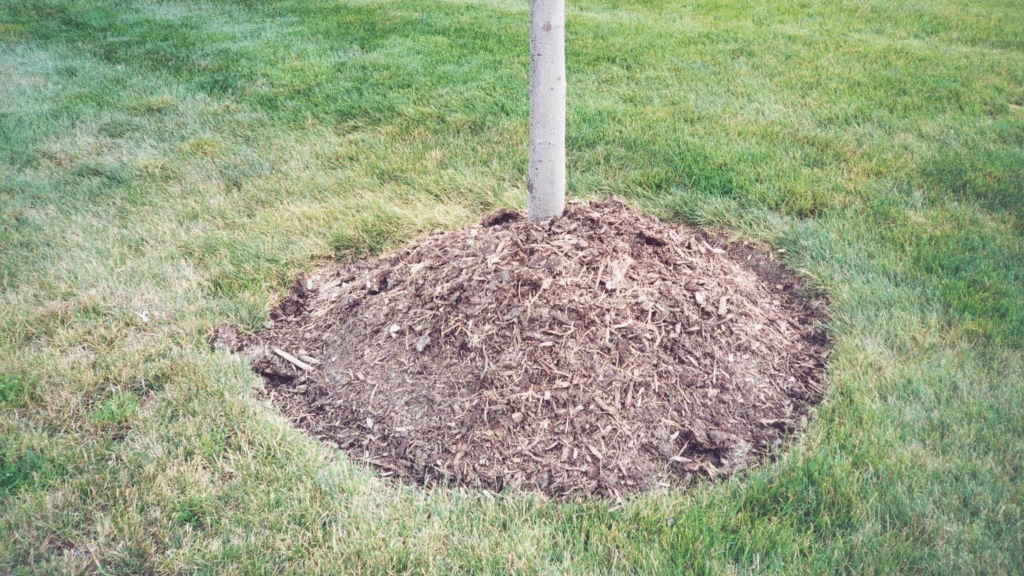
Mulch is one of the most useful tools in a homeowner’s landscaping toolkit. It helps retain soil moisture, regulate soil temperature, suppress weeds, and improve soil structure.
Despite these benefits, it’s surprisingly easy to misuse mulch, which can cause more harm than good.
A common error is creating “mulch volcanoes”, where mulch is piled high against the base of trees or shrubs.
While it may look neat, this practice can suffocate roots, trap moisture against the trunk, and encourage fungal diseases or rot.
Excessive mulch can also prevent water and nutrients from reaching the root zone effectively, undermining the very benefits it’s meant to provide.
The solution is simple: apply mulch correctly and sparingly. Spread a 2–3 inch layer around plants and trees, keeping mulch a few inches away from trunks or stems.
For flower beds and shrubs, make sure the mulch layer is uniform but not packed down, allowing air and water to penetrate.
Mulching properly protects roots, improves soil health, and reduces the time and effort needed for watering and weeding.
Mistake #9: Starting DIY Landscaping Projects Without a Clear Plan
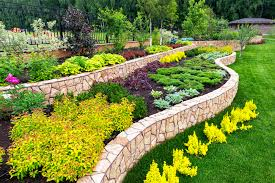
DIY landscaping can be rewarding, but it’s also one of the easiest ways to make costly mistakes. Many homeowners dive in without a detailed plan, only to discover that projects exceed budgets, fail to function as intended, or require major fixes later.
Common DIY mistakes include ignoring drainage patterns, underestimating mature plant size, and overlooking access for maintenance equipment.
A small misstep in planning can quickly snowball into problems such as uneven yards, overcrowded beds, or hardscapes that block foot traffic or water flow.
These mistakes often carry hidden costs, as correcting them may require removing plants, regrading soil, or replacing installed materials.
DIY is most successful when homeowners take the time to plan carefully. Sketching the layout, understanding plant growth and maintenance needs, and considering long-term usability all reduce the risk of mistakes.
When projects are complex or involve grading, irrigation, or hardscapes, it’s often wise to consult a professional landscaper.
Even a single consultation can save time, money, and frustration while ensuring the landscape performs well for years to come.
Mistake #10: Designing for Appearance Only Instead of Functionality
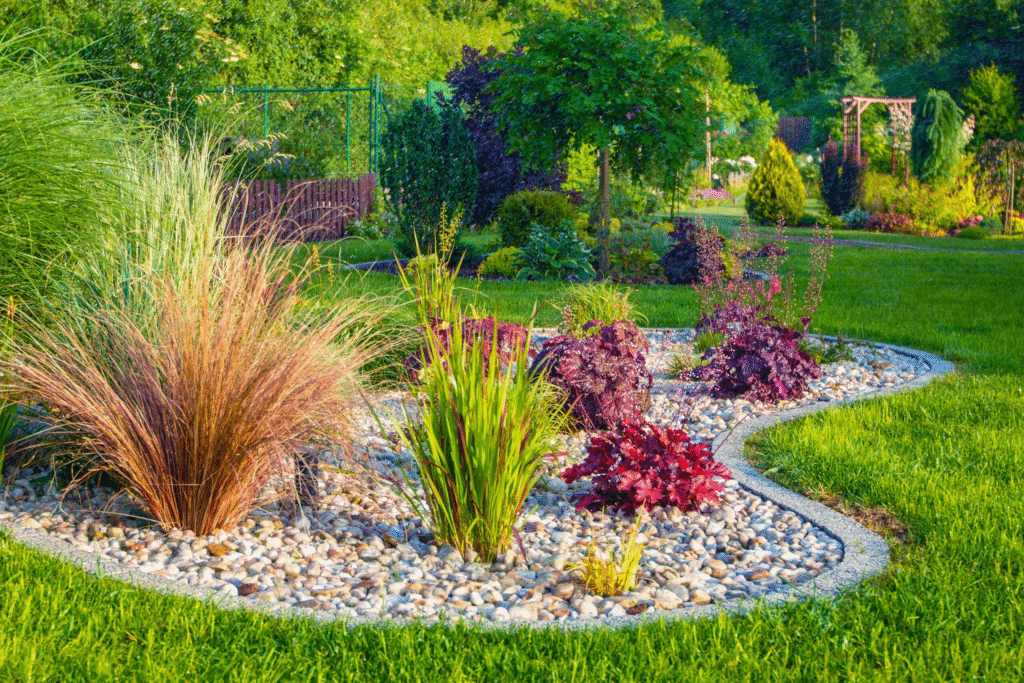
Many homeowners focus exclusively on how a landscape looks on installation day, but beauty without function often leads to problems.
Landscapes that aren’t designed with practical use in mind can create safety hazards, increase maintenance, and reduce long-term enjoyment.
It’s important to consider foot traffic, outdoor living spaces, and accessibility when designing your landscape.
For example, a walkway that looks nice but isn’t placed along natural walking paths will be underutilized and may cause soil compaction elsewhere.
Erosion-prone slopes, steep driveways, or densely planted beds may look pretty but can create long-term maintenance headaches.
High-maintenance designs with constant pruning, watering, or replacement needs often discourage homeowners from keeping up with care.
A functional design doesn’t mean sacrificing aesthetics—it means balancing beauty with usability and long-term performance.
Incorporating proper spacing, safe pathways, accessible irrigation, and erosion control measures ensures that your landscape looks great and works well.
Ultimately, a functional landscape adds both enjoyment and property value, making your yard a place you can actually use, rather than just admire.
Local Insights for Kernersville Homeowners
Creating a landscape that thrives in Kernersville starts with understanding the local environment.
The region’s Piedmont climate, classified as USDA Zone 7b, comes with unique challenges and opportunities. Summers are hot and humid, winters can occasionally dip into the teens, and spring and fall bring variable temperatures and rainfall.
Coupled with clay-heavy soil, which retains water but drains poorly, these conditions affect which plants will survive, how often you water, and what maintenance is required.
Recommended Plants That Thrive in Kernersville:
Selecting plants adapted to local conditions ensures they grow vigorously without constant intervention. Examples include:
- Perennials: Black-eyed Susan, Coneflower, Daylilies – these hardy plants tolerate heat, resist drought, and attract pollinators such as bees and butterflies.
- Shrubs: Azaleas, Camellias, Gardenias – reliable bloomers that handle Piedmont conditions with minimal care.
- Trees: Dogwood, Red Maple, Eastern Redbud – provide shade, seasonal interest, and structure for your yard while thriving in local soils.
Native Plants That Require Less Maintenance:
Native plants are naturally adapted to Kernersville’s climate, soil, and local pests. Using them reduces watering, fertilizer, and disease management needs:
- Switchgrass: Low-maintenance ornamental grass that adds height and texture; tolerates both wet and dry conditions.
- Eastern Redbud: A flowering tree with striking spring blooms; handles local temperatures and requires little pruning.
- Wild Bergamot (Monarda): A pollinator-friendly perennial that is drought-tolerant and resistant to common pests.
- Oakleaf Hydrangea: Thrives in partial shade, requires minimal fertilizer, and provides year-round aesthetic appeal with large leaves and fall color.
Seasonal Planting Guide for Kernersville:
Understanding the rhythm of the seasons ensures your plants thrive year-round:
- Spring: Ideal for planting cool-season vegetables, perennials, and shrubs. This is also the perfect time to prune dormant trees and shrubs to encourage healthy new growth.
- Summer: Focus on irrigation management, mulch application, and pest control. Deadheading flowers regularly prolongs bloom periods.
- Fall: Plant bulbs, perennials, and fall vegetables. Clean up leaves to prevent fungal issues, and add compost to prepare soil for winter.
- Winter: Protect tender plants from frost using coverings or mulch. Inspect trees and shrubs for damage, remove dead branches, and plan any new spring projects.
By understanding local conditions and planning seasonal planting carefully, homeowners can reduce plant stress, avoid unnecessary replacements, and create a yard that is beautiful and sustainable year-round.
Tips for Long-Term Landscape Success
A healthy landscape doesn’t happen overnight. Long-term success relies on consistent care, smart practices, and proactive planning.
Many Kernersville homeowners underestimate the value of strategic, year-round management, which leads to stressed plants and higher maintenance costs over time.
Creating a Year-Round Maintenance Schedule:
- Maintain a calendar for pruning, fertilizing, mulching, and irrigation adjustments each season.
- Conduct soil tests every 2–3 years to monitor pH, nutrient levels, and organic matter content. Adjust fertilizers and amendments based on these results.
- Monitor plant health and growth patterns throughout the year, noting areas that need attention such as overgrown shrubs, bare patches, or weak plants.
Water-Efficient Irrigation Strategies:
- Install drip irrigation or soaker hoses to deliver water directly to plant roots, minimizing evaporation and runoff.
- Practice deep, infrequent watering instead of frequent shallow watering to encourage deep root growth, which improves drought resistance.
- Consider rain barrels, smart irrigation systems, or timers to capture rainfall and prevent overwatering, especially during Kernersville’s wet summer periods.
- Monitor soil moisture with a simple probe or finger test to ensure water reaches roots without oversaturating clay-heavy soils.
Soil Improvement and Composting Techniques:
- Incorporate organic matter such as compost, aged leaves, or manure to enhance soil structure, drainage, and nutrient availability.
- Amend clay soils with sand or perlite to improve aeration and root penetration, preventing waterlogging during heavy rains.
- Composting yard and kitchen waste creates a rich, sustainable source of nutrients that supports soil microbes and reduces dependence on chemical fertilizers.
- Rotating compost and mulching beds helps maintain soil fertility and plant resilience year after year.
Adopting these strategies ensures that your landscape grows stronger, healthier, and more sustainable over time while minimizing ongoing costs and labor.
Tools and Resources
Having the right tools and reliable local resources makes landscaping easier, more precise, and more effective.
Suggested Tools:
- Pruning: Bypass pruners, loppers, and hedge shears for proper shaping and health.
- Soil Testing: Home kits or professional testing services help ensure nutrient balance and proper pH for your plants.
- Mulching: Wheelbarrows, rakes, and mulching forks simplify spreading mulch evenly without damaging roots.
- Watering: Soaker hoses, drip irrigation, and timers for efficient and targeted watering.
Local Resources in Kernersville:
- Nurseries: Kernersville Nursery, Piedmont Garden Center – staff are familiar with local soils and climate, and can recommend plants and supplies tailored for the area.
- Landscaping Services: Local landscapers understand Kernersville’s unique challenges and can help with drainage, grading, and installation projects.
- Educational Resources: NC State Extension Piedmont Triad offers workshops, soil testing guidance, and planting advice to help homeowners succeed.
Accessing the right tools and leveraging local expertise reduces mistakes, protects plants, and ensures your landscape thrives.
Common Landscaping Myths Debunked
Many well-meaning homeowners follow advice that is misleading or harmful. Understanding the truth helps you make better decisions:
- “More fertilizer = healthier plants” – Excess fertilizer can burn roots, encourage weeds, and upset soil microbial balance. The right fertilizer depends on soil testing and plant type.
- “Mulch volcanoes are good for trees” – Piling mulch against trunks traps moisture, promotes rot, and can attract insects. Keep mulch 2–3 inches from the base.
- “DIY is always cheaper than hiring a pro” – Without planning, DIY projects often result in errors, additional costs, and wasted time. A professional consultation can prevent these pitfalls.
By separating myth from fact, you can protect your plants, save money, and avoid unnecessary stress in your yard.
Budgeting and Planning Advice
Landscaping is an investment in your home, both aesthetically and financially. Thoughtful planning ensures long-term success without overspending.
How to Budget for Landscaping Upgrades:
- Prioritize improvements that increase property value and reduce long-term maintenance, such as drainage solutions, irrigation, soil improvements, and durable plantings.
- Consider upfront costs versus ongoing maintenance; investing more in quality materials and healthy plants often saves money over time.
Planning for Mature Plant Sizes and Long-Term Growth:
- Avoid overcrowding by planning for mature height and width, rather than how plants look when first installed.
- Proper spacing reduces the need for frequent pruning and prevents plant competition for light, water, and nutrients.
When Hiring a Professional Saves Money and Stress:
- Complex tasks like grading, drainage, large plant installation, and hardscaping are often better handled by professionals.
- A landscape designer or contractor can ensure proper layout, plant selection, spacing, and irrigation, preventing costly mistakes.
- Even a single consultation can save time, prevent plant loss, and improve your landscape’s long-term functionality and beauty.
By budgeting carefully, planning for mature growth, and knowing when to hire help, homeowners can enjoy a sustainable, beautiful landscape without the frustration or financial waste that comes from trial-and-error approaches.
This version is twice as detailed, with expanded explanations, examples, seasonal guidance, and actionable tips. It’s ready to sit alongside your 10 landscaping mistakes sections, creating a full, authoritative, and practical guide for Kernersville homeowners.
FAQs: 10 Landscaping Mistakes Kernersville Homeowners Should Avoid
1. What are the biggest landscaping mistakes people make in Kernersville?
Some of the most common mistakes include planting the wrong species for the local climate, skipping soil testing, overwatering or underwatering, overcrowding plants, ignoring drainage issues, neglecting seasonal maintenance, applying mulch incorrectly, starting DIY projects without a plan, and designing for appearance rather than functionality.
Each of these can lead to weak plants, higher maintenance costs, and long-term frustration.
2. How do I know if my plants are getting too much or too little water?
Signs of overwatering include yellowing leaves, wilting despite wet soil, and fungal growth at the base of plants. Underwatering often causes crispy leaf edges, drooping foliage, and slow growth.
A good rule of thumb is to check soil moisture with your finger or a soil probe—roots should feel moist but not soggy. Adjust watering based on rainfall, temperature, and plant type.
3. What are some low-maintenance plants for Kernersville yards?
Native and regionally adapted plants are generally the easiest to maintain. Examples include:
- Trees: Eastern Redbud, Dogwood, Red Maple
- Shrubs: Azaleas, Camellias, Gardenias
- Perennials: Black-eyed Susan, Coneflower, Daylilies
- Ornamentals: Switchgrass, Wild Bergamot, Oakleaf Hydrangea
These plants thrive in local soil and climate with minimal water and fertilizer.
4. How do I fix drainage problems in my yard?
First, identify low spots where water pools, areas of erosion, or plants that appear stressed. Solutions include:
- Regrading to redirect water away from foundations
- Installing French drains, dry creek beds, or swales
- Using water-tolerant plants in problem areas
- Improving soil with organic matter to increase drainage in clay-heavy soils
5. What is the correct way to mulch around trees and plants?
Mulch should be applied 2–3 inches deep and kept a few inches away from tree trunks and plant stems. Avoid creating “mulch volcanoes,” where mulch is piled up against the trunk.
Proper mulching retains soil moisture, regulates temperature, reduces weeds, and protects roots without causing rot or disease.
6. How do I plan for plant spacing and growth?
Always plan for the mature size of plants, not how they look at planting. Overcrowding limits airflow, increases disease risk, and leads to constant pruning.
Use plant labels or online references to determine mature width and height, and space shrubs, trees, and perennials accordingly.
7. Can DIY landscaping really save me money?
Sometimes, yes—but only if you plan carefully. Many DIY projects fail due to lack of planning, improper grading, or choosing the wrong plants. Mistakes often lead to costly corrections.
Hiring a professional for complex tasks like drainage, grading, large tree planting, or hardscapes can save money, time, and stress in the long run.
8. How often should I fertilize and maintain my landscape in Kernersville?
- Perennials and shrubs: Fertilize in early spring and again in late summer if needed.
- Trees: Fertilize in early spring for growth.
- Lawns: Fertilize 2–4 times per year, based on soil testing.
Other maintenance like pruning, mulching, leaf cleanup, and irrigation checks should be scheduled seasonally to keep plants healthy year-round.
9. What should I consider when designing a functional landscape?
A functional landscape balances beauty with usability. Consider:
- Foot traffic patterns and accessibility
- Outdoor living areas such as patios, walkways, or play areas
- Erosion control and drainage
- Maintenance requirements of chosen plants
This ensures your landscape is safe, enjoyable, and low-maintenance, while still looking attractive.
10. How can I make my Kernersville yard more sustainable?
- Choose native and drought-tolerant plants
- Use drip irrigation or soaker hoses to conserve water
- Add compost or organic mulch to enrich soil naturally
- Reduce chemical fertilizers and pesticides by following soil test results and integrated pest management practices
Sustainable landscaping saves money, protects the environment, and keeps your yard healthy year-round.