
Weeds are every gardener’s nightmare, and many turn to landscape fabric hoping for a simple, low-maintenance solution.
While landscape fabric can reduce unwanted weeds, it isn’t a foolproof barrier—seeds can sprout on top, and some tough weeds may push through.
In this post, we’ll explore 6 key reasons why landscape fabric may not stop all weeds, offering practical tips to make it more effective.
Whether you’re a home gardener, landscaping professional, or someone looking for easy weed control solutions, this guide will help you get the most out of your garden fabric.
At Yateslandscapingcompany.com we serve Kernersville and nearby areas to landscaping services.
1. Weeds Can Grow on Top of Landscape Fabric
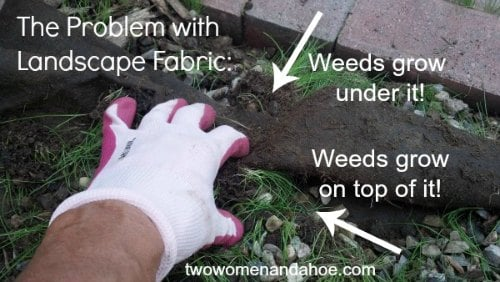
Landscape fabric blocks weeds coming up from the soil, but it won’t stop weeds that germinate on top of the fabric.
Over time, wind-blown dust, bird-droppings, fallen leaves and decomposing mulch build a thin layer of organic matter on the fabric.
That layer becomes a seed-bed: seeds from nearby plants, weeds carried by birds, or airborne seed can sprout in that surface soil and send roots into the mulch rather than through the fabric itself.
Practical fixes for this common failure: keep a 2–3 inch mulch layer (not deeper — deeper mulch holds moisture and can hide seeds), sweep or rake leaves and debris regularly, and refresh mulch at least once a year (more often in windy or tree-covered sites).
Use coarse, chunky mulch that resists compaction, and avoid adding topsoil or compost directly on the fabric. Proper mulch + landscape fabric maintenance prevents that top-layer germination and keeps your beds looking tidy.
2. Landscape Fabric Can Tear or Degrade Over Time
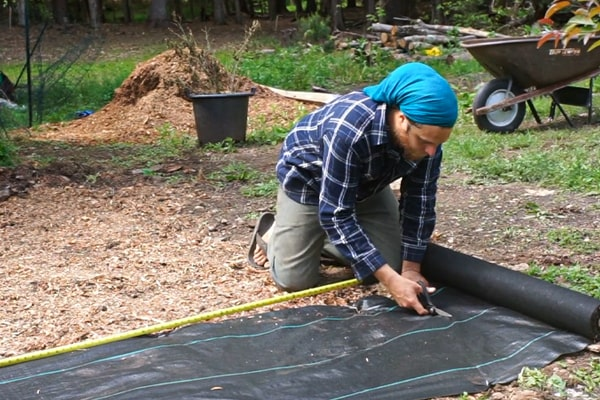
No fabric lasts forever. UV exposure, repeated wet–dry cycles, frost heave, foot traffic and accidental punctures from shovel blades or pruners will weaken or rip fabric.
Material choice matters: woven polypropylene or heavy-duty geotextiles are the most durable, non-woven options wear faster, and natural/biodegradable fabrics (jute, coir) are designed to break down over a few seasons. Even durable fabrics can fail at stress points (seedlings pushed up, seams, cut areas).
To keep your garden fabric effective, inspect beds seasonally — after winter and mid-summer are good checkpoints. Repair small tears with a patch (overlap the patch 6–12 inches and staple it down) or replace sections that are frayed.
When selecting fabric, match durability to your plan: choose longer-lasting woven/synthetic fabric where you want low maintenance, or biodegradable fabric where you intend to remove or plant through it in a few years.
3. Improper Installation Reduces Weed-Blocking Effectiveness
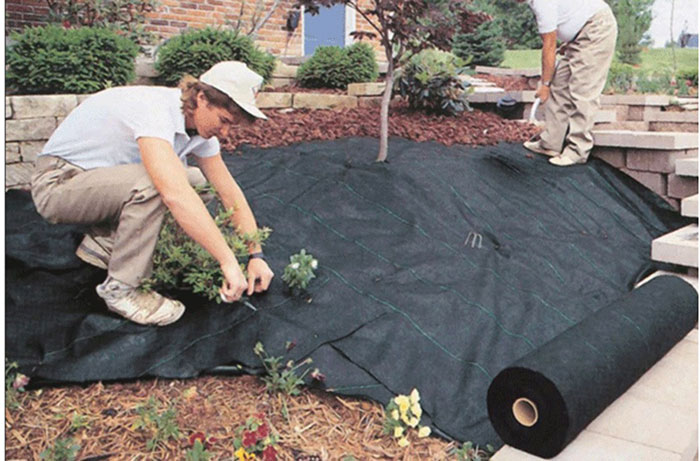
Even excellent landscape fabric fails if installed poorly.
Typical mistakes: leaving gaps between sheets, not overlapping seams, failing to anchor edges, and cutting haphazard holes for plants (which create openings for weeds).
These installation errors let light, soil or seed reach the ground and allow weeds to grow through seams and loose edges.
Correct installation steps for reliable weed control fabric: clear and level the soil first, roll out the fabric with the patterned/printed side up if specified, overlap adjoining pieces by about 6–12 inches, and secure seams and edges using U-shaped landscape staples or pins placed roughly every 12–18 inches (closer in high-wind or slope areas).
When working around existing plants, cut an X or a neat slit and fold back flaps to avoid tearing; after planting, press the fabric snugly around the stem and pin the flaps down.
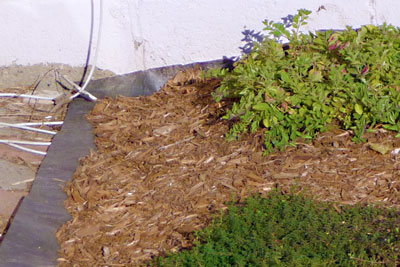
Bury or tuck edges under mulch or a narrow trench (1–2 inches) or use landscape edging to stop soil and debris migrating onto the fabric.
Properly installed and anchored fabric creates a continuous, effective weed-blocking barrier and reduces the need for repeated hand-weeding.
4. Perennial and Deep-Rooted Weeds Can Penetrate Landscape Fabric
Some weeds are built to win. Perennials such as dandelion, bindweed (field morning glory), bermudagrass, and plants with rhizomes or strong taproots can push up through thin or degraded fabric or grow around edges and seams.
These species send roots deep or spread laterally via runners, so a surface barrier alone won’t stop them.
Practical strategy: combine barriers and active control. Before laying fabric, remove existing perennial roots by digging out taproots or rhizomes as thoroughly as possible.
For persistent species, install a deeper mechanical root barrier (plastic or metal edging) 6–12 inches deep, regularly cut or hand-pull new shoots, and spot-treat problem patches early.
Solarization or repeated smothering (cardboard + mulch) in small problem areas can weaken entrenched perennials. In short: landscape fabric helps, but aggressive perennials need deeper, ongoing management.
5. Fabric Types & Longevity: Woven vs. Biodegradable (Pick the right garden fabric)
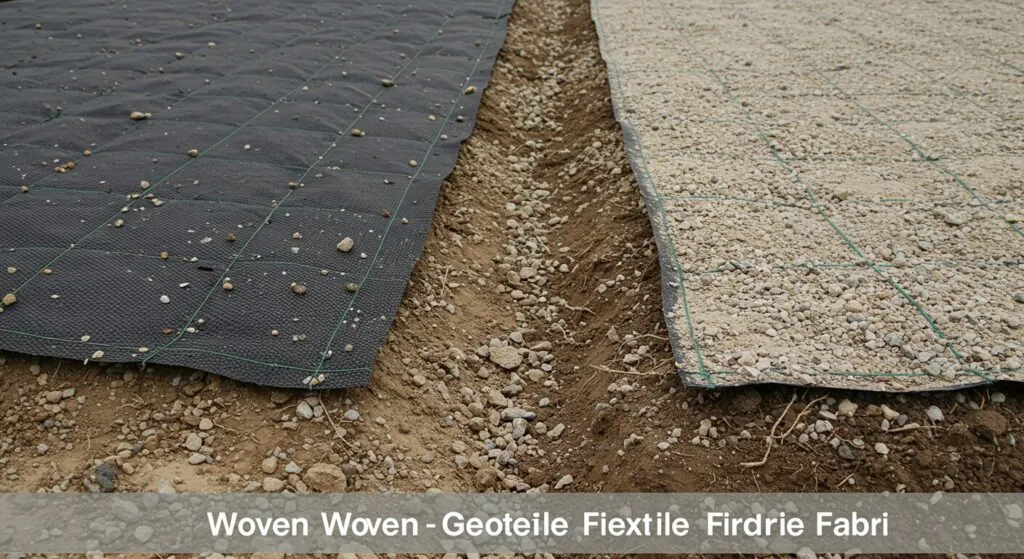
Not all landscape fabrics are created equal. Woven polypropylene and heavy-duty geotextiles are durable and resist tearing and UV damage, making them better for long-term weed control under paths or permanent beds.
Non-woven and biodegradable fabrics (jute, coir) break down faster — which is good where you plan to plant through the fabric later, but poor where long-lasting weed suppression is needed.
Lightweight fabrics may also allow fine seed to lodge and sprout if exposed soil reaches the surface.
How to choose: match fabric to the job and weed pressure.
Use durable woven/synthetic fabric under permanent mulch in high-weed areas; choose biodegradable if you want a temporary barrier that improves soil over time.
Always consider environmental goals (biodegradable is compostable) vs. maintenance goals (synthetic lasts longer). When in doubt, invest a bit more in higher-grade fabric for areas where you want low-maintenance, long-term weed control.
6. Lack of Maintenance Lets Weeds Take Over (Schedule & quick tasks)
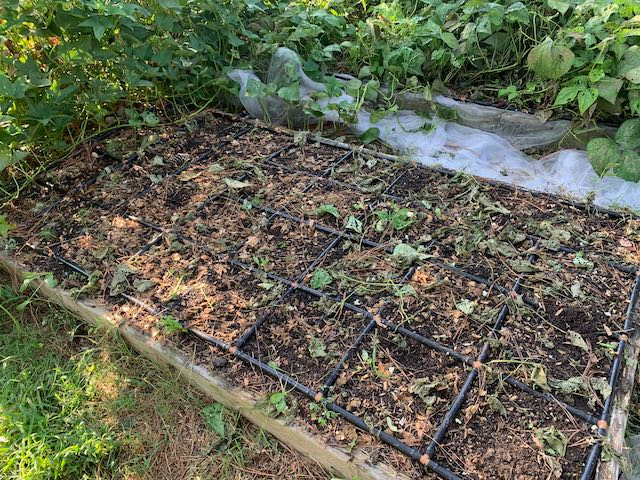
Landscape fabric is not “set-and-forget.” Without routine care, debris and mulch migration will create seed beds, seams will loosen, and small tears will become entry points.
A simple maintenance rhythm keeps fabric working:
- Inspect every 2–3 months and after storms (check for tears, loose pins, and mulch migration).
- Refresh mulch annually (aim for 2–3 inches of coarse mulch) and rake blown leaves or seed heads away.
- Spot-weed immediately any seedlings on top of the mulch before they set seed.
- Repair small tears quickly with overlapping patches and secure pins; replace badly worn sections.
- Trim overhanging plants so shade and debris don’t build up and bury the fabric edge.
A little scheduled upkeep — seasonal inspections, yearly mulch refresh, and quick spot-weeding — turns landscape fabric from a temporary fix into a reliable component of your weed-control plan.
Conclusion: Make Landscape Fabric Work for Your Garden
Landscape fabric can be a powerful tool for reducing weeds, but it’s not a magic solution. Tough perennials, debris accumulation, fabric wear, and improper installation can all let weeds through.
The key to success is combining quality garden fabric with proper installation, regular maintenance, and strategic mulching.
By inspecting fabric, repairing tears, and managing top-layer debris, you can keep your flower beds and vegetable gardens mostly weed-free. Use these strategies to get the most out of landscape fabric and enjoy a cleaner, low-maintenance, and more attractive garden all year long.